
Should I get my Child Assessed for Dyslexia?
If you’re a parent wondering whether to get your child diagnosed for dyslexia, you’re not alone. It’s a common question—and a very thoughtful one. Maybe your child is bright, curious, and creative—but struggles when it comes to reading, spelling, or writing. Maybe you’ve heard them say things like, “I’m just not a good reader,” or “I hate reading.” You’re seeing signs that something might be going on, and now you're wondering: Is this dyslexia? Should I get my child assessed?
The short answer is: Yes, getting your child evaluated for dyslexia is a valuable thing to do. But it’s also important to know that in most cases, it’s not an emergency. If your child is struggling, there are supports you can put in place right away—and a formal diagnosis can add helpful clarity and direction, both at home and at school.
Let’s take a closer look at why getting a dyslexia diagnosis can be beneficial, what the process involves, and how it can empower your child—and you—to navigate school and learning with more confidence.
What Is Dyslexia, Really?
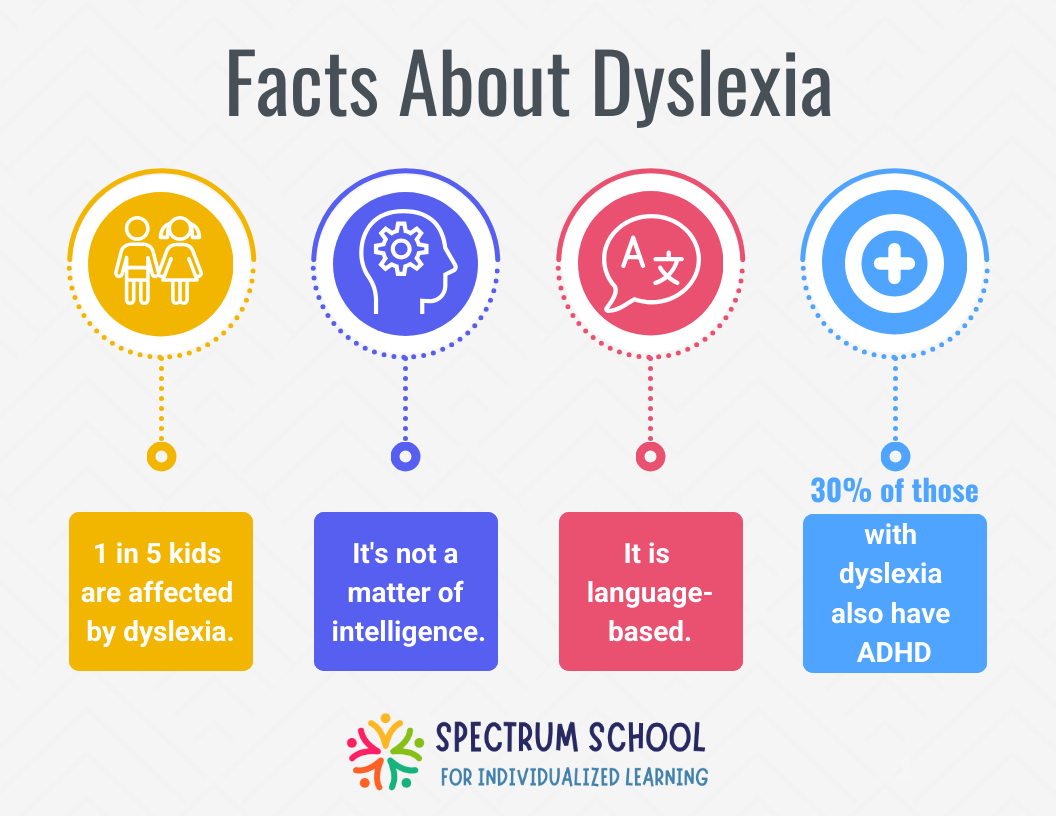
Dyslexia is a specific learning disability that primarily affects reading and language processing. It’s neurological and often runs in families. Kids with dyslexia may struggle with decoding (sounding out words), spelling, and reading fluency, even though they are often highly intelligent and creative thinkers.
Dyslexia is not a sign of low intelligence or laziness, and it has nothing to do with vision problems (although it’s possible for a child with dyslexia to also have a vision problem). In fact, many kids with dyslexia are quick thinkers, strong problem-solvers, and imaginative storytellers. They just learn to read and write differently.
The Benefits of Getting a Diagnosis
A dyslexia diagnosis can be a turning point—not just for academic progress, but also for your child’s confidence and self-understanding. Here’s why it’s worth considering:
1. Access to School Accommodations
One of the most immediate benefits of a dyslexia diagnosis is access to school-based accommodations through an IEP (Individualized Education Program) or 504 Plan. These plans can include:
Extended time on tests and assignments
Audiobooks or text-to-speech tools
Copies of teacher notes or guided note-taking outlines
Modified spelling lists
Reduced homework load
Preferential seating
These are not shortcuts—they’re tools to level the playing field so your child can show what they know without being held back by difficulties with reading or writing. For many kids, these accommodations can make a huge difference in reducing frustration and fatigue during the school day.
2. Tailored Reading Instruction
These accommodations help reduce frustration and level the playing field so students can show what they know—without being held back by how they read or write.
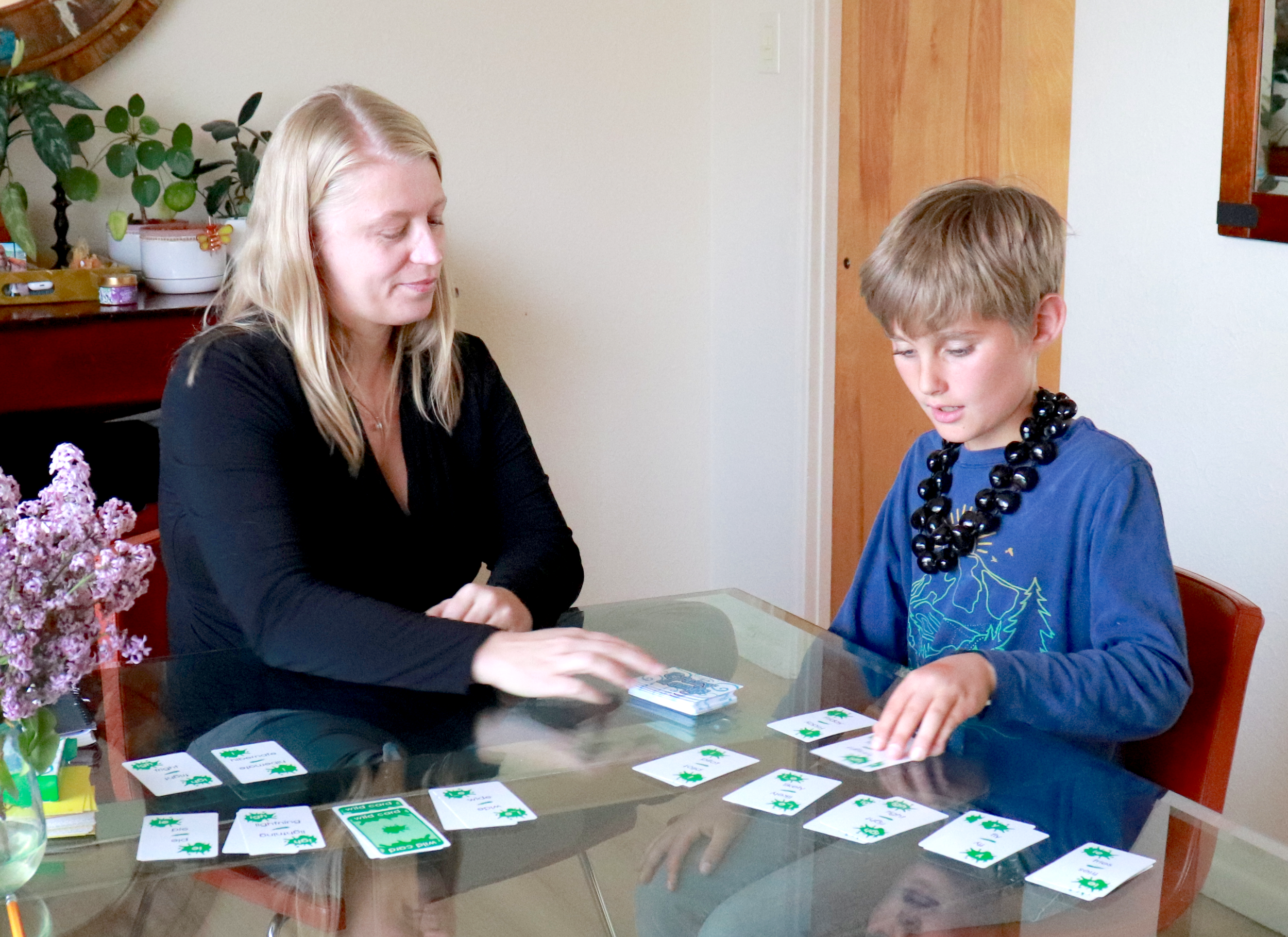
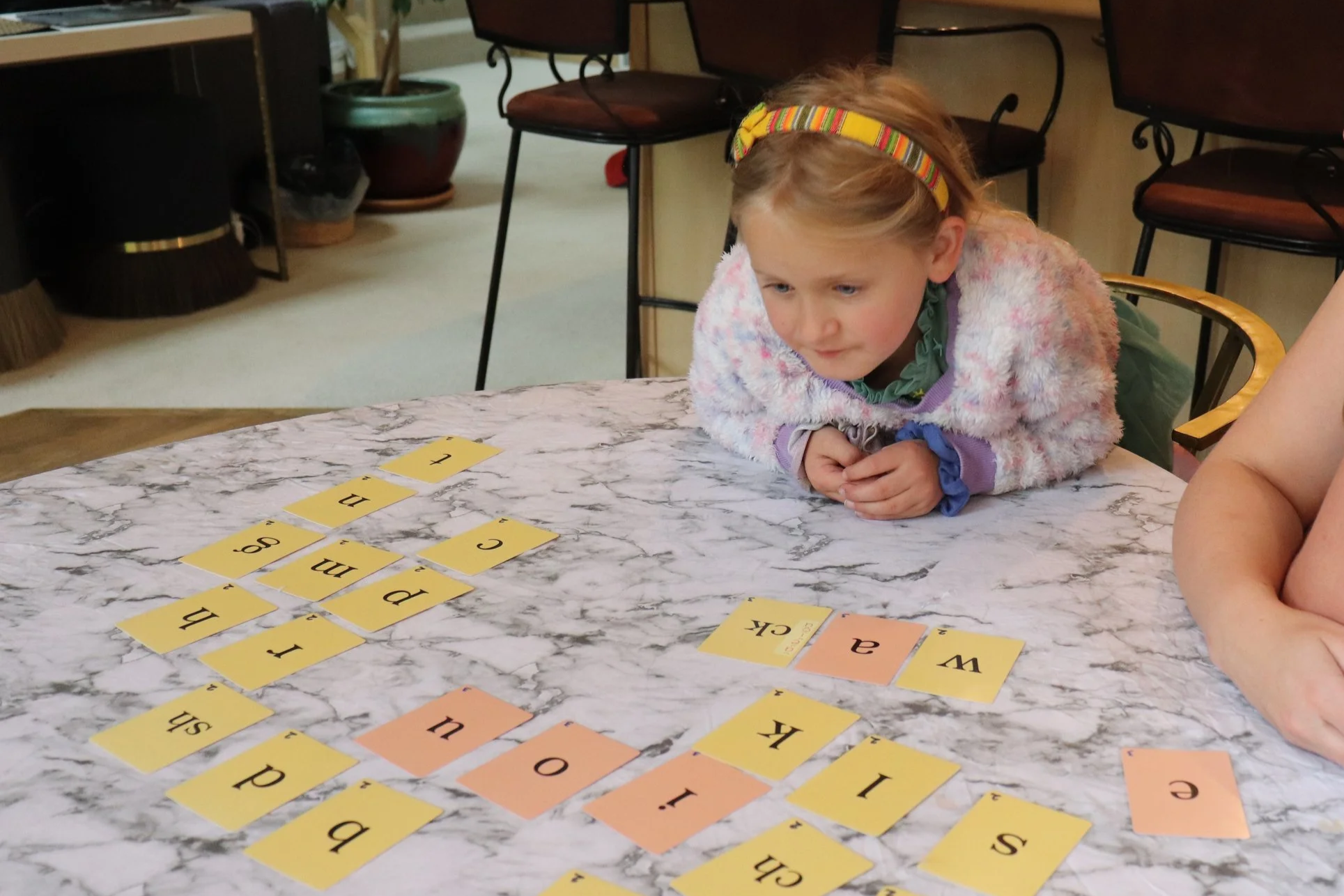
Another key benefit of a diagnosis is potential access to specialized reading instruction at school. Schools sometimes offer targeted intervention programs for students who are struggling with reading, and having a dyslexia diagnosis can make it more likely for your child to be placed into these specialized groups.
These programs often use structured literacy approaches based on an approach to teaching reading called Orton Gillingham They are explicit, systematic, and multisensory methods that are proven to be effective for students with dyslexia. While schools may already provide general reading support, a formal diagnosis gives you a strong case to advocate for instruction that specifically matches your child’s learning needs.
A diagnosis can help you say:
“My child doesn’t just need extra practice—they need the right kind of instruction, tailored to how they learn best.”
It’s important to note that this kind of structured literacy isn’t just good for students with dyslexia—it’s beneficial for all readers. The difference is that students with dyslexia typically need:
More frequent sessions (ideally daily)
Smaller group sizes or 1-on-1 support
Increased repetition and opportunities for review
Highly direct and systematic lessons
That means when your child receives this kind of instruction, they’re not only getting what they need—they’re getting the best kind of reading support available. And they’re doing so in a way that builds skills step-by-step, filling in gaps and building confidence along the way.

3. Better Self-Understanding and Confidence
For many children, finding out they have dyslexia can feel like getting the missing piece of a puzzle. They might think, “Oh, that’s why reading is so hard for me. It’s not because I’m dumb. It’s because my brain works differently.”
That shift in self-perception is huge.
Instead of feeling defeated, your child starts to see their learning style as something unique and manageable—not as a flaw, but as a feature. They start to understand:
What kinds of supports help them the most
Why they may need more time or a different approach
That they are capable, intelligent learners
And with this understanding comes self-advocacy—a skill that will serve them well not just in school, but in life. Students who know how to ask for what they need—whether that’s extra time, audio support, or help planning a writing assignment—are more likely to succeed and feel empowered.
How Does the Evaluation Process Work?
A dyslexia evaluation can be sometimes done through your local public school district. Because schools are often underfunded, you may need to do some significant advocating to get your child assessed through the school.
You can also get your child assessed privately through a psychologist. See more about that process, and a list of psychologists who assess for dyslexia at this link: Resources for Parents
What If I Can’t Get a Diagnosis Right Now?
That’s okay! There are still many things you can do to support your child in the meantime:
Talk to your child’s teacher about your concerns and ask what supports can be put in place now.
Use audiobooks, speech-to-text tools, or other assistive technologies at home, to help students complete their schoolwork, and to give students the ability to listen to books that are above their current reading level.
Encourage your child’s strengths in areas like art, sports, or storytelling.
Read aloud to your child and talk about what you are reading. This is excellent for improving reading comprehension, even if your child isn’t doing the reading.
Consider working privately with a Dyslexia Specialist who uses evidence-based methods (Look for the words Orton-Gillingham).

Final Thoughts: Every Step You Take Matters
Whether or not you choose to pursue a formal dyslexia diagnosis right now, the fact that you’re asking the question means you’re already doing something important: you’re paying attention.
You’re noticing what your child needs. You’re looking for answers. You’re ready to support them in the way they learn best.
And that, in itself, is powerful.
At Spectrum School for Individualized Learning, we specialize in helping students with dyslexia and other learning differences gain the skills and confidence they need to thrive. Whether your child has a diagnosis or not, we believe every learner deserves instruction that works for them.
So if you’re wondering whether to take the next step, know that you don’t have to figure it all out at once. Start with small steps. Reach out for support. And trust that with the right tools and encouragement, your child can absolutely succeed.
Need support or have questions? We’re here to help. Whether your child has a diagnosis or not, our team is ready to guide you with evidence-based strategies and compassionate, individualized instruction.
Contact us today to schedule a free consultation—and take the first step toward a brighter reading journey for your child.